Featured
Table of Contents
Mobile optimization includes: Touch-friendly navigation and button sizing Quick packing times on mobile networks Streamlined checkout processes for smaller sized screens Mobile-specific payment options like Apple Pay Responsive design that adapts to various screen sizes Check checkout processes on smartphones and enhance page speed for mobile users. Mobile users often have various habits patterns and expectations compared to desktop users.
Our methodical approach integrates quantitative information analysis with qualitative user research study to determine optimization opportunities. By examining session recordings, we identified specific friction points in the getting procedure and implemented targeted solutions.
We focused on reducing form fields while preserving lead quality and including customer testimonials at key decision points. Our luxury furniture seller enhanced conversion rates by 7.1% through customer reviews and site design enhancements.
Why Real estate association website design Needs a Data-First TechniqueCommon success factors include: Data-driven choice using analytics tools Organized screening approach with proper statistical analysis Focus on user experience and friction reduction Strategic placement of trust signals and social evidence Constant optimization based on testing results Use Google Analytics and other analytics tools to determine where visitors leave your site and which pages have the greatest bounce rates.
Typical drop-off points consist of: Item pages doing not have client evaluations or detailed details Checkout processes with too lots of steps or required fields Types requesting extreme personal info Pages with sluggish filling times or bad mobile experiences Prices pages without clear value propositions Map the complete client journey from first see to conversion and beyond.
Mastering the Digital Transformation for Success
Focus on checkout process optimization and trust signals positioning based on user behavior analysis. Document standard conversion rates, typical order worths, and customer feedback metrics to determine improvement over time.
Focus on consumer journey optimization, continuous user screening, and extensive funnel analysis for sustainable growth. Long-term CRO method consists of: Quarterly conversion rate audits and optimization planning Constant user testing and feedback collection Advanced segmentation and customization application Cross-device and cross-channel optimization Combination with other digital marketing projects ROI measurement and service effect analysis Complex conversion rate optimization requires proficiency in analytics tools, screening methodologies, client psychology, and technical execution.
Our holistic method includes thorough funnel analysis, user testing, session recordings analysis, and tactical implementation of consumer evaluations and trust signals to maximize your conversion rates and profits growth. Expert CRO firms offer: Advanced analytics setup and information analysis Structured screening method and statistical analysis User experience research and optimization suggestions Technical execution of testing tools and tracking Continuous optimization and efficiency monitoring Strategic planning aligned with business goals Conversion rate optimization is an essential digital marketing method that changes website visitors into clients through strategic testing and optimization.
Analyzing Impactful UX Projects for Success
Success in CRO needs a combination of analytics tools, screening methods, and user experience know-how. Whether you carry out optimization strategies in-house or work with a professional conversion rate optimization agency, the key is maintaining speed through continuous improvement and measurable outcomes. Start with fast wins like adding client evaluations and optimizing checkout procedures, then develop a long-term strategy that includes routine screening, user feedback collection, and thorough funnel analysis.
That's a nearly unfathomable number of pages completing for a limited amount of traffic, views, and clicks. Just getting visitors to your website isn't enough, particularly if you're running any type of service.
And you need to do this effectively and effectively. Among the finest ways to do that is by implementing a conversion rate optimization (CRO) strategy. If you do this right, you'll not only enhance your quality of leads, however you'll also increase income and lower your customer acquisition cost.
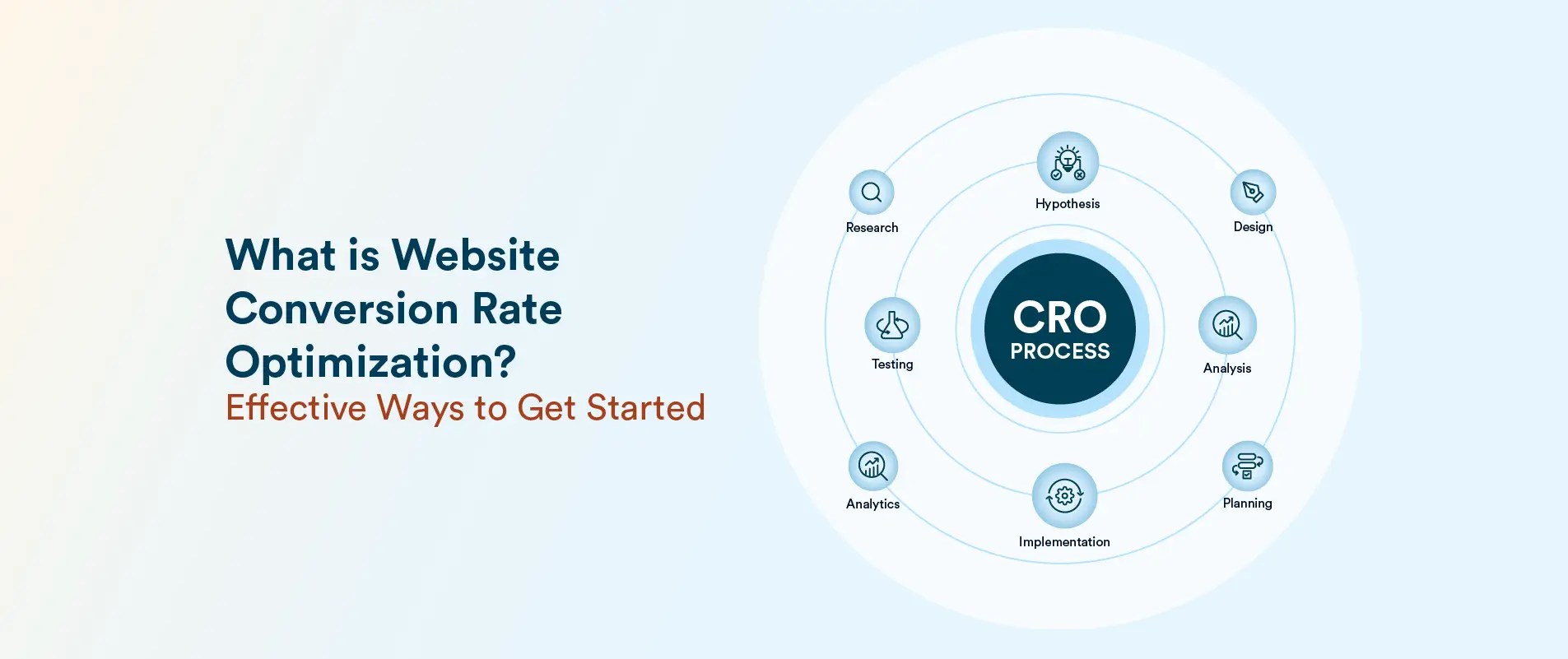
In this piece, we'll dig much deeper into CRO, go over why you should care about it, and provide some best practices for maximizing your conversion rate. Conversion rate optimization is the methodical procedure of increasing the portion of users and visitors who take a specific action on your site, social channels, or other online marketing campaigns.
You need to comprehend how they browse your website, interact with your material, and ultimately take action. Conversions can be any variety of things, but some of the most typical are: Buying. Filling out a type. Signing up for a newsletter. Including a product to their shopping cart.
Using Data to Enhance Digital ROI
Turning a periodic consumer into a routine customer. In other words, a conversion can be any action a user carries out that results in you collecting their info, making a sale, or otherwise acquiring insight into how they connect with your projects.
A boost in engagement metrics can supply important insights into your campaigns' performance and what attracts users to take action. CRO results in greater conversion rates, which suggests you are getting more bang for your marketing dollar. It enables you to land more clients without always generating more traffic or increasing your marketing budget.
And this, in turn, improves your overall marketing efforts and material. It helps you be better prepared to reach the right types of consumers with the ideal messaging at the right time.
CRO helps you build client trust and leaves a favorable impression on possible customers. Even the greatest markets only have a limited swimming pool of potential customers you can use and the more specific your niche, the smaller that pool is. CRO enables you to make the most of your existing audience (i.e., traffic) to bring in new customers.
Mastering the Digital Strategy for Growth
Before we can get enhancing, we need to first go over how to get to your conversion rate. Don't stress no higher math is needed. The conversion rate is determined by dividing the variety of conversions by the total variety of users or website visitors, then multiplying this figure by 100 to produce a percentage.

Latest Posts
Linking SEO and Digital Reputation Management
How to Build Better Media Outreach
Optimising Visibility Through AEO and GEO Strategies